Becoming more sustainable also means daring to make difficult choices.
Teboza is going to accelerate the phasing out of its heated outdoor cultivation of white asparagus. The company's aim is to reduce the CO2 emissions released during heating. Teboza is the first major grower and supplier of fresh asparagus to take this step. The decision to accelerate the phase-out is motivated by Teboza's ambition to continue to provide customers with responsibly and cost-consciously grown asparagus.
Field heating
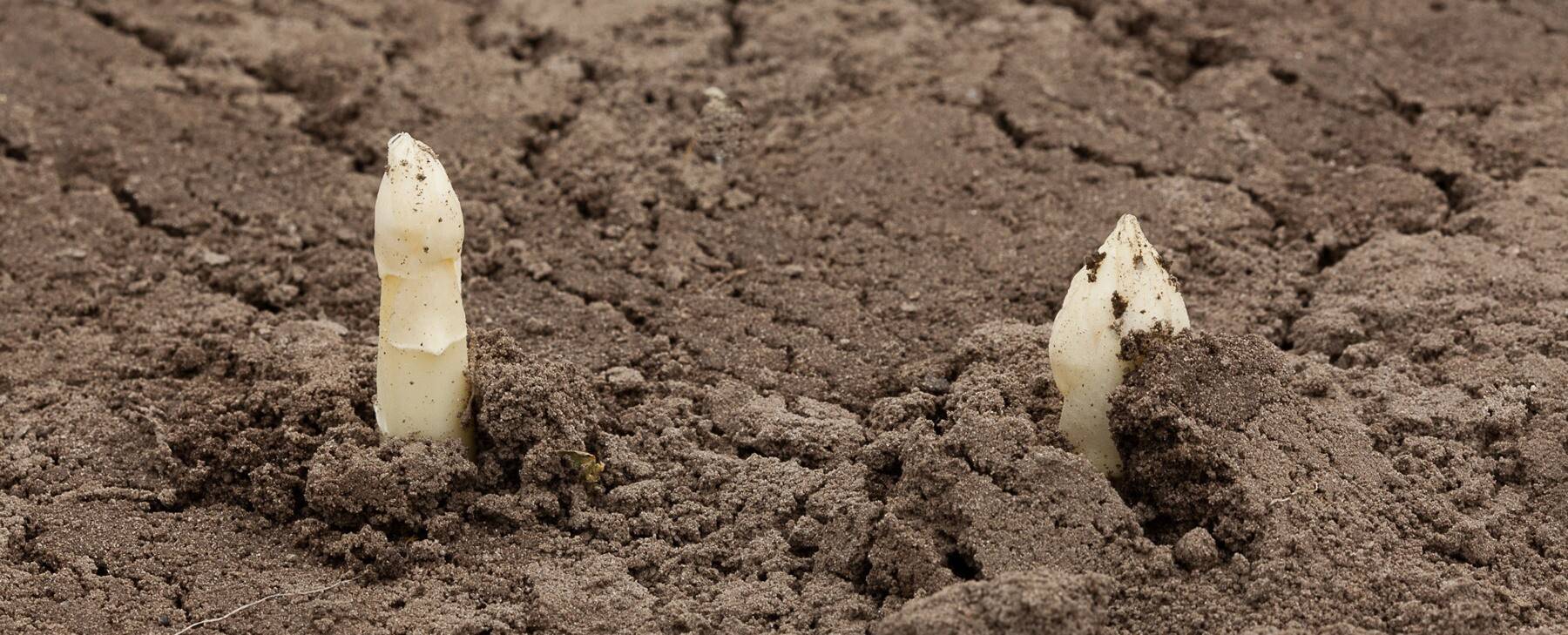
Heated cultivation of white asparagus uses ‘field heating’, whereby a system of pipes just below the plants keeps the soil at the right temperature. Field heating ensures that the asparagus plants are brought out of their winter dormancy earlier, enabling asparagus growers to reduce the weather dependency of their crops.
In many cases, fossil fuels are used to heat plots of land. Although Teboza has always strived to minimize the environmental impact of its heated cultivation, a recent impact analysis has led the company to decide to abandon this cultivation method sooner than planned. Will Teeuwen: “Becoming more sustainable also means daring to make difficult choices. In this case, we are saying goodbye to an innovation that we ourselves pioneered. However, we believe that this step is necessary to further strengthen the special position of Dutch asparagus cultivation.”
(Almost) overtaken by innovations
"The period in which relatively expensive heated cultivation is ahead of traditional cultivation has been getting shorter for a number of years now. Innovations in asparagus varieties, new cultivation techniques, and changes in the climate mean that asparagus from unheated cultivation is also available earlier and earlier. In addition, there is also an increasingly better supply of tasty and responsibly grown asparagus from Southern Europe early in the season."